
Home  /  Our Services

Our services

Reliable satellite capacity and end-to-end ground solutions.

SGS supports a broad range of satellite communication applications — from hosting an operator’s gateway on our antenna farm through to leasing capacity, hauling traffic onto fibre and racking equipment in our data hall.
SGS Satellite Fleet

Multiple beams across five APStar satellites.

C-band, Ku-band and Ku-HTS capacity.

01 — Teleport & Gateway Services

Host your gateway on our ground.

Infrastructure and operational support for satellite gateway and ground-segment deployments. SGS provides the antenna positions, RF chain, equipment space, power and people required to bring a gateway into service — and to keep it in service.

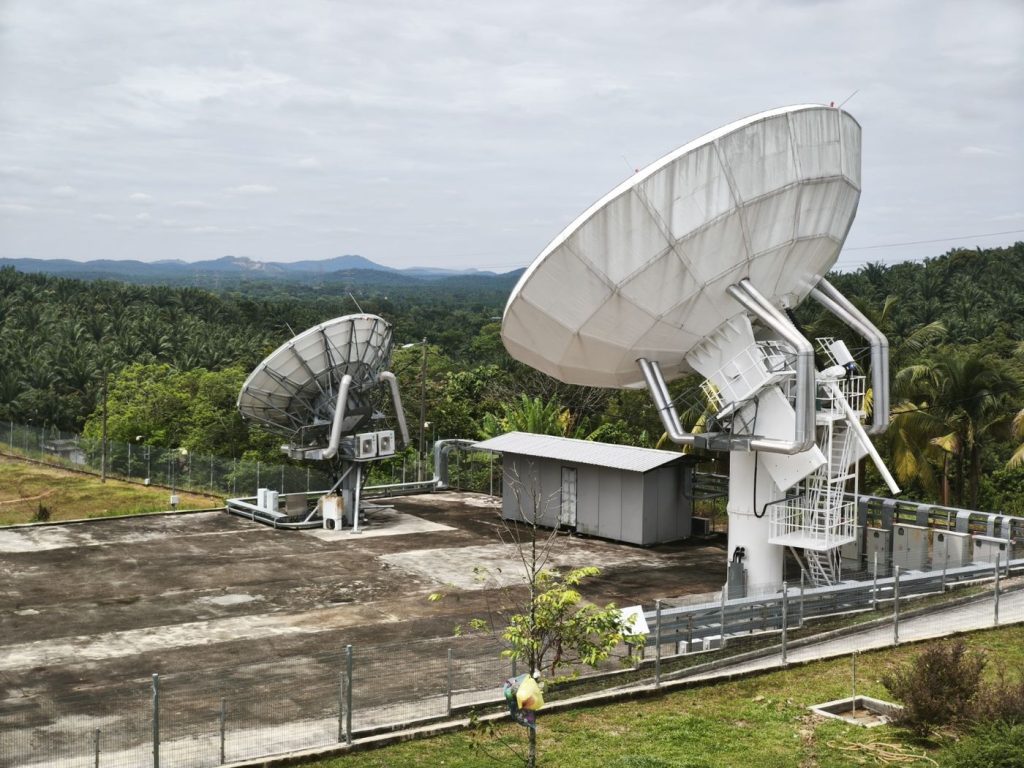
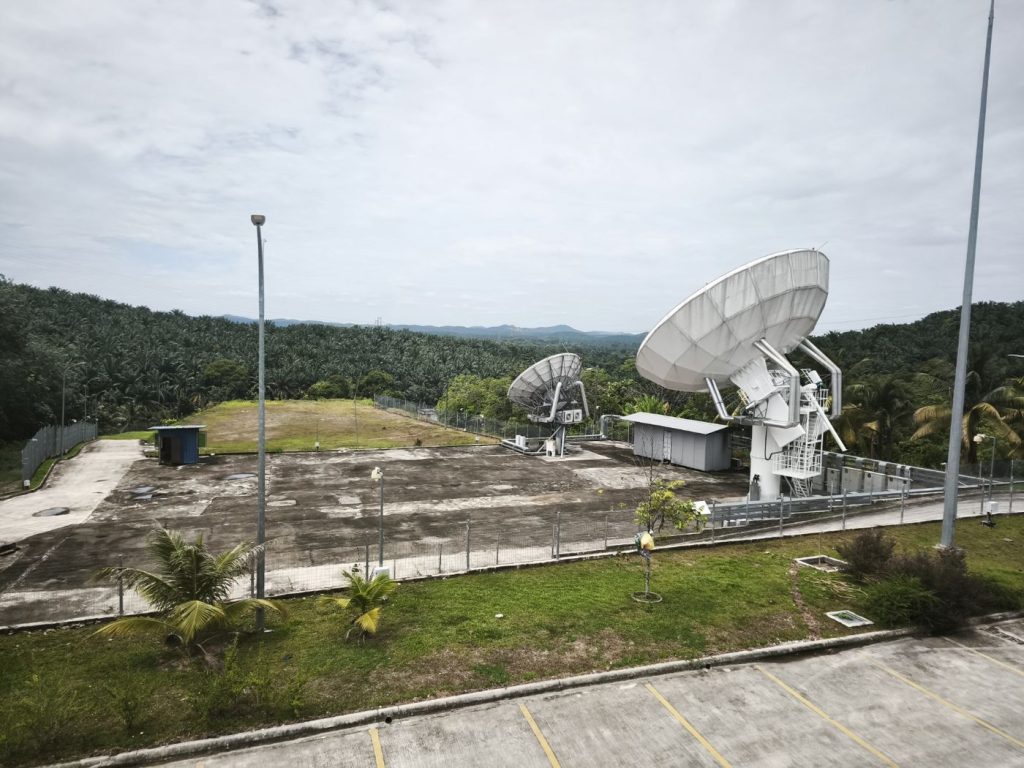
Satellite antenna on the SGS antenna farm
02 — Satellite Capacity Leasing

Managed capacity, matched to the mission.

Access to satellite capacity across the APStar geostationary fleet, offered under four business models. SPACESAIL LEO capacityComing soon

End-to-end network managementManaged servicesManaged capacityWholesale bandwidth
Satellite capacityCapacity for internal use onlyCapacity packaged and sold as MbpsSale of raw capacity (MHz or Mbps) to SPs/clientsSale of raw capacity (MHz or Mbps) to SPs/clients
Ground infrastructureOwned and managed by satellite operator
Closed system (vendor pre-selected)
Owned and managed by satellite operator
Hub centrally located within the feeder link
Operators own teleport
SP can lease or co-locate hub at teleport
Open system
Third-parties own teleport
SP can lease or co-locate hub at teleport
Open system
Network operationsSmart routing
Terrestrial network integration
Network optimization
Smart routing managed by satellite operator
Integration with terrestrial network by SP
Fully managed by service providerFully managed by service provider
Service provisionOperator responsible for full service integration and performance (QoS)SP provides sales and customer support for pre-designed packagesSP designs service packages with flexibility in terms of SLAs and CIRsSP designs service packages with flexibility in terms of SLAs and CIRs
End users
HomesOfficesPublic institutionsCellular networksEnterprisesCargo shippingPassenger vesselsAviationOffshore oil & gas

SP: service provider · SLA: service level agreement · CIR: committed information rate

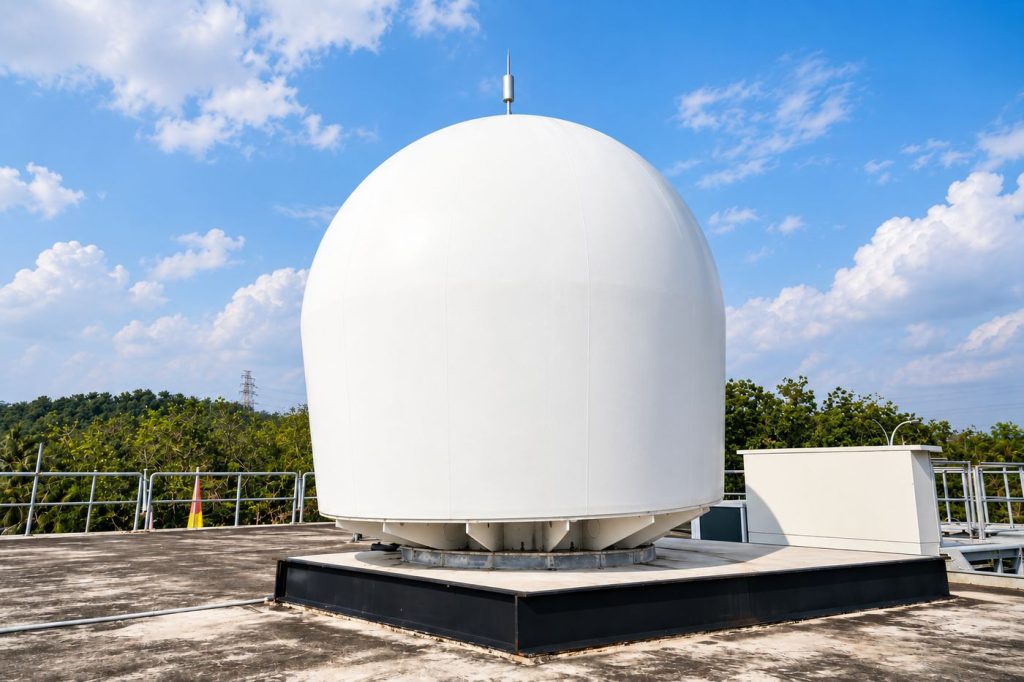
The SPACESAIL LEO radome on the roof of the SGS facility

The SPACESAIL LEO radome on the facility roof at Rantau.

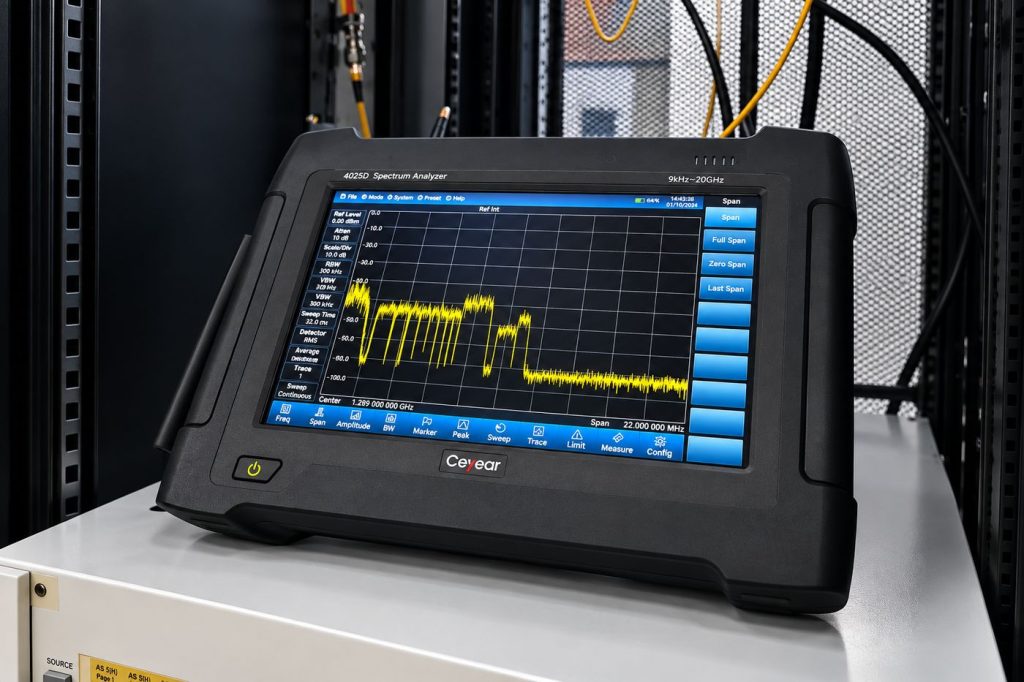
A spectrum analyser showing an RF trace at the SGS facility

Spectrum analysis — carrier monitoring and link verification on site.

SGS Satellite Fleet

The fleet, satellite by satellite.

Figures are from the SGS company profile and APStar’s published satellite data.

138°E

APStar-5C

FS-1300 platform, in service since the first half of 2018 with a design life beyond 15 years. 34 C-band and 32 Ku-band transponders plus a regional Ku-HTS payload.

SGS capacity
134°E

APStar-6D

Launched 2019, with the gateway in Kuala Lumpur. Optimised for mobility services, especially aeronautical and maritime.

SGS capacity
142°E

APStar-9

DFH-4 platform, in service since 18 November 2015, with a 15-year lifetime and station keeping of ±0.05°.

SGS capacity
134°E

APStar-6C

DFH-4 platform with a design life beyond 15 years, co-located with APStar-6D at 134°E.

SGS capacity
76.5°E

APStar-7

Spacebus 4000C2 platform with a design life beyond 15 years, the western anchor of the APStar fleet.

SGS capacity
LEO Constellation

SPACESAILComing soon

90 commercial satellites on orbit and building toward 648, to be landed through the SGS LEO gateway at Rantau.

SGS capacity
Confirmed capacity

Beam by beam.

Footprint maps, EIRP and G/T figures and a link budget for your terminal are available from our engineering team on request.

SatelliteBand / beam
APStar-5CC-band
APStar-5CKu HTS beam
APStar-5CKu ID beam
APStar-6DKu-band user beam
APStar-9C-band
APStar-9Ku West beam
APStar-6CC-band
APStar-7C-band
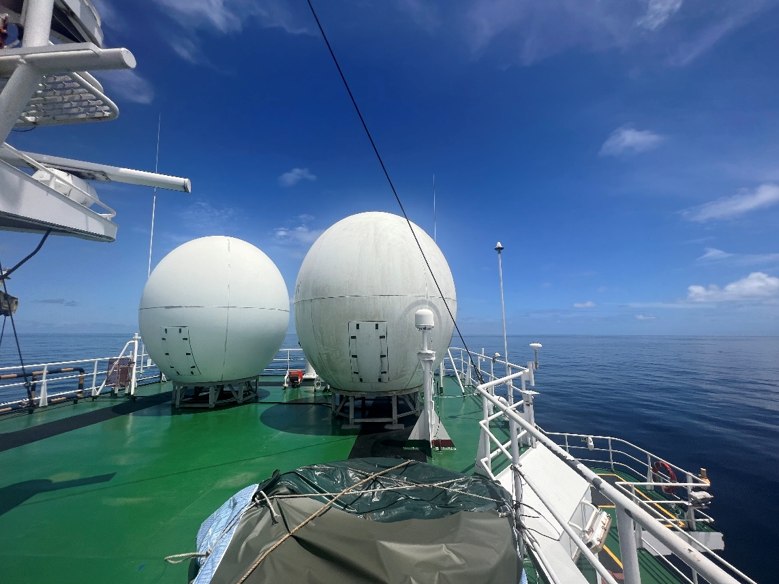
Two VSAT radomes on the deck of a vessel at sea

VSAT radomes on a vessel at sea — satellite connectivity beyond the reach of terrestrial networks.

03 — Satellite Broadband, Enterprise Networks & Backhaul

Connectivity that meets your needs.

Connectivity solutions for businesses and organisations requiring reliable communications beyond conventional terrestrial networks — plus satellite backhaul for locations where terrestrial infrastructure is limited or unavailable.

04 — Satellite Mobility

Connectivity that moves with the asset.

Connectivity services supporting mobile and maritime applications. APStar-6D’s user beams are optimised for mobility, making the SGS gateway a natural landing point for vessels and aircraft operating across the region.

Tracking antenna at the SGS ground station
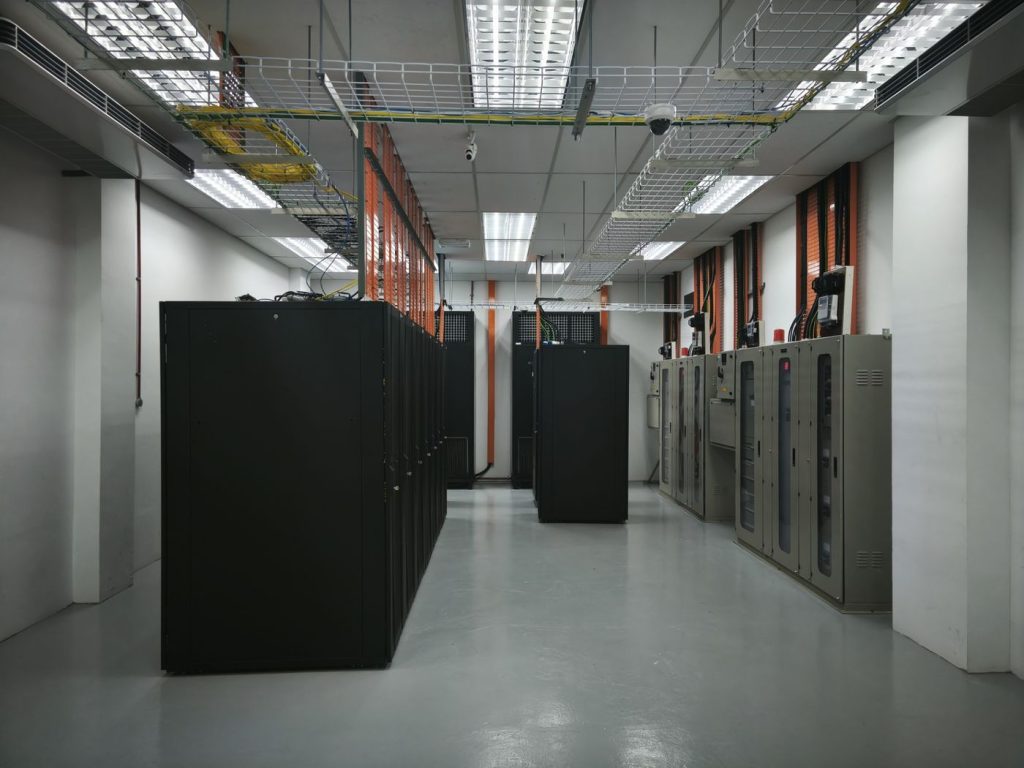
Equipment racks in the SGS server room
05 — Data Centre & Colocation Services

Carrier-neutral data centre space within the facility.

Secure infrastructure for hosting satellite, telecommunications and network equipment. Because the data hall shares a site with the teleport, gateway and IT infrastructure sit metres apart rather than cities apart.

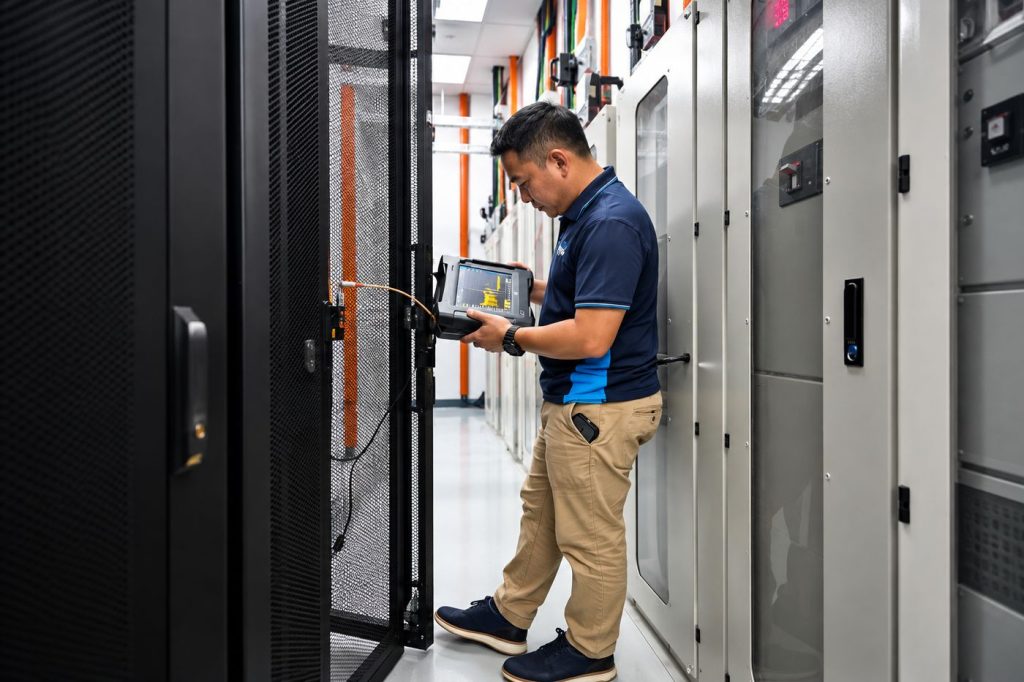
An SGS engineer testing equipment with a handheld analyser at the racks

RF testing at the equipment racks — commissioning and fault-finding on site.

06 — Technical & Ground-Segment Services

The engineering behind the link.

Installation, commissioning, maintenance, remote support and operational assistance for satellite communication infrastructure — delivered by the team that runs the station day to day.

Deploy

Installation & integration

Antenna, RF and baseband installation, integrated with the customer’s network architecture.

Verify

Commissioning & testing

Line-up, link-budget verification and acceptance testing before traffic is carried.

Sustain

Maintenance & site operations

Preventive and corrective maintenance, spares handling and day-to-day site operations.

Support

Remote & managed support

Monitoring, remote hands and managed services covering cloud, OTT and IoT traffic growth.

New in 2026

Products added for the hybrid era.

01

Hybrid GEO–LEO connectivityComing soon

A hybrid router solution integrating GEO and LEO networks for resilient, low-latency links that hold up when one network degrades. Hardware bundle plus pricing models for enterprise, maritime and remote operations.

02

LEO data communication for IoTComing soon

Ultra-low-cost LEO connectivity for connected devices, sensors and remote monitoring — and for emergency use where terrestrial networks are unavailable. IoT terminals and flexible pricing for large-scale deployments.

03

Managed satcom bandwidth

Cost-effective packages tailored to enterprise, oil & gas, maritime and rural deployments. Lower-cost equipment options, including refurbished VSAT antennas and BUCs to reduce customer CAPEX.

Primary target industries

Built for operations where terrestrial networks stop.

Oil & Gas

Offshore platforms, pipelines and remote field operations.

Maritime

VSAT connectivity for vessels, fleets and port operations.

Agriculture

Plantation telemetry, sensors and rural connectivity.

Government

Resilient and emergency communications for public agencies.

Common questions

Frequently asked

Our infrastructure supports C-band, Ku-band and Ka-band operations, covering both traditional wide-beam payloads and High Throughput Satellite architectures. LEO gateway systemsComing soon

Yes. Major ISPs are present on site, and customers may interconnect with the provider of their choice. We are also evaluating Console Connect from PCCW Global to extend multi-platform connectivity worldwide.

The SGS ground station (KL2) is connected to the TSGI ground station (KL1), 70.9 km away, by 65 km of dark fibre operating in a full redundancy mode.

Our managed satcom bandwidth packages are designed around lower-cost equipment, and can incorporate refurbished VSAT antennas and BUCs where the link budget allows.

Yes. SGS provides installation, integration, commissioning, maintenance, remote support and ongoing site operations — delivered by the team that runs the station.

Ready to put your gateway on the ground in Malaysia?

Tell us about your coverage, capacity and hosting requirements — our engineering team will come back with a site and service proposal.